The Science Behind Heavy-Duty Greases and Their Role in Mining and Construction
Understanding Heavy-Duty Industrial Greases
What Are Heavy-Duty Greases?
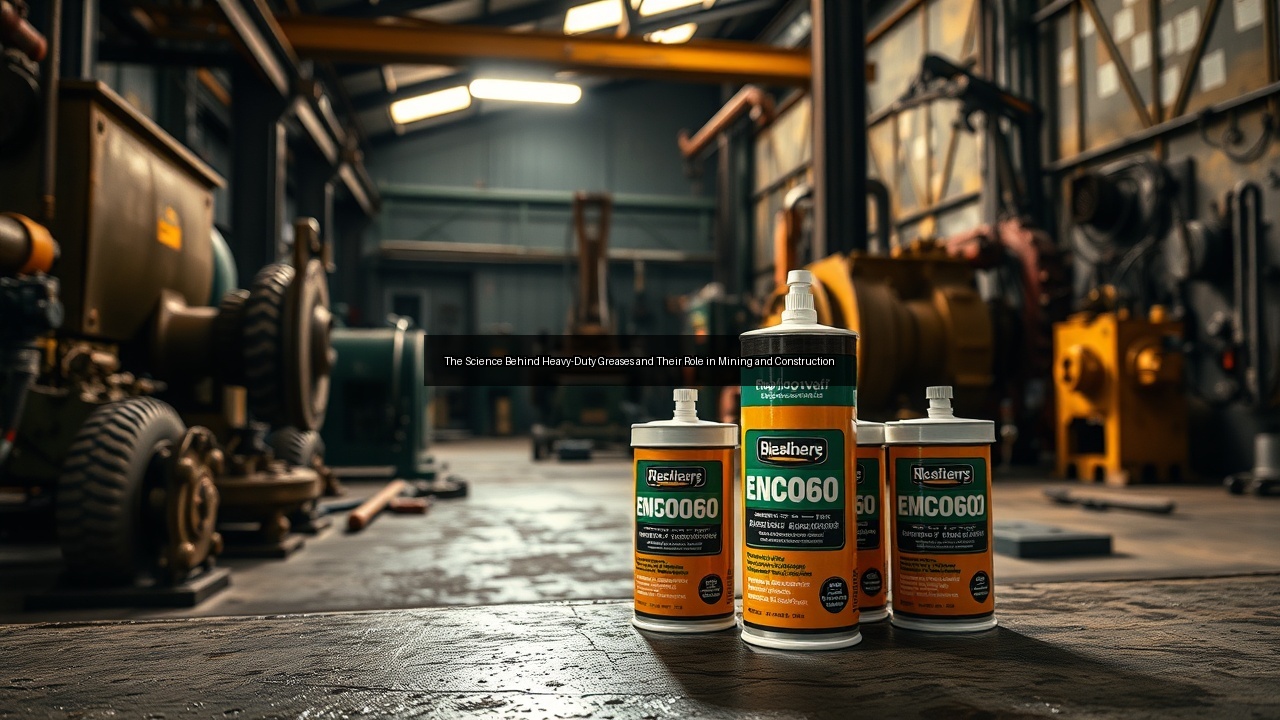
Heavy-duty industrial greases deliver reliable lubrication where standard oils fail under constant stress. These greases combine thickeners with base stocks to stay in place on moving parts. Operators in mining and construction apply them to heavy equipment that runs around the clock. Grease lubricants resist washout from water and dust that flood job sites daily. Workers load grease into cartridges for quick application on bearings and joints. This approach cuts downtime because the lubricant stays put longer than thin oils. Heavy-duty greases also handle shock loads that jolt machinery during excavation or material handling. Their formulation targets friction points that would otherwise overheat and seize. Industries from railroad maintenance to agriculture rely on these products for consistent performance across shifts.
Key Components of Industrial Greases
Industrial greases start with a base oil that provides the primary lubrication film. Thickeners such as lithium or calcium soaps give the product its structure and adhesion. Additives then boost resistance to oxidation, corrosion, and extreme pressure. Silicone improves stability when temperatures swing wildly on outdoor sites. Gear oils sometimes blend into the mix to enhance load-carrying capacity on open gears. Hydroxy compounds help stabilize the formula against breakdown from repeated shearing. These components work together so the grease lubricant clings to wheel bearings and wire rope without flinging off during rotation. Manufacturers adjust ratios to match specific pressures and speeds found in construction fleets. Proper balance ensures the product pumps easily through centralized systems yet holds firm where metal meets metal.
Different Types of Lubricating Greases
Lubricating greases fall into several categories based on thickener chemistry and intended duty. Lithium greases dominate general-purpose use because they offer wide temperature tolerance and good water resistance. Calcium greases excel in marine or wet environments where corrosion protection matters most. Silicone-based options handle oven-level heat without hardening. Some grease products incorporate synthetic base stocks for extended service intervals on remote mining equipment. Multi-purpose industrial greases combine traits to simplify inventory for mixed fleets. Workers select types according to speed, load, and exposure to gas or chemicals. Each variety targets friction reduction while shielding against abrasive particles common on job sites. Matching the right grease type prevents premature bearing failure and keeps machinery running efficiently.
Applications in Mining and Construction
Heavy Equipment and Machinery
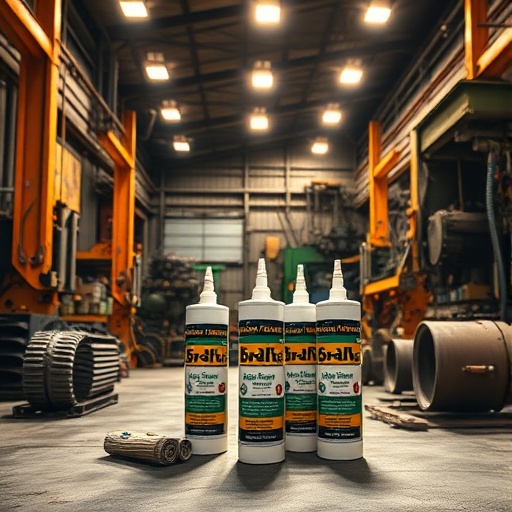
Heavy equipment in mining and construction demands greases that survive constant vibration and dirt ingress. Excavators, loaders, and haul trucks use grease lubricants on pivot points and hydraulic cylinders. Maintenance crews apply fresh grease through fittings to flush contaminants away from critical surfaces. Industrial greases keep engines and transmissions protected during long shifts under full load. Operators notice less wear on pins and bushings when they follow scheduled greasing intervals. These practices extend the life of machinery that costs millions to replace. Fleet managers track consumption to spot leaks early and avoid unplanned stops. Heavy-duty industrial greases therefore become a core part of any preventive maintenance program in rugged operations.
Grease for Wire Rope and Bearings
Wire rope on cranes and draglines requires specialized grease that penetrates strands while forming a protective outer coating. Bearing assemblies in wheels and gearboxes depend on the same grease lubricants to maintain a separating film under heavy loads. Application often involves manual brushing or automatic systems that meter product during operation. Calcium-thickened greases resist wash-off in wet mining pits, while lithium versions suit high-speed bearing rotations. Proper lubrication prevents strand breakage and pitting that could halt production. Crews inspect ropes and bearings regularly to confirm grease coverage remains adequate. This targeted approach reduces replacement costs and supports safer working conditions around massive moving parts.
Lubrication in Extreme Conditions
Extreme conditions in mining and construction test every lubricant property. Dust storms, freezing ice, and high-pressure water jets challenge grease performance daily. Formulators add extreme-pressure additives so the product maintains film strength when loads spike suddenly. Temperature swings from subzero nights to midday heat require thickeners that resist softening or hardening. Silicone components help grease lubricants stay effective across wide ranges without evaporating. Workers in remote sites carry cartridge packs to reapply product before shifts begin. Reliable lubrication prevents seizures that strand vehicles far from repair facilities. These measures keep operations moving despite weather and terrain that would destroy lesser products.
Technological Advancements in Grease Formulation
Calcium vs. Lithium Greases
Calcium greases provide superior corrosion resistance in damp environments typical of construction near water sources. Lithium greases deliver better mechanical stability and higher dropping points for hot-running bearings. Operators compare both types when selecting products for mixed fleets operating across seasons. Calcium versions often cost less yet require more frequent application in dry, dusty mines. Lithium options handle higher speeds and pressures common in crushing equipment. Many brands now offer hybrid formulas that blend advantages of each thickener. Testing under actual loads helps decide which grease lubricant fits a given application best. This ongoing comparison drives continuous improvement in industrial greases available today.
The Role of Silicone in Heavy-Duty Lubricants
Silicone enhances heavy-duty lubricants by improving thermal stability and water repellency. It allows grease to function in oven-adjacent areas or near engine exhaust without breaking down. Silicone also reduces surface tension so the product spreads evenly across wire rope and bearing races. Manufacturers blend it with conventional base oils to balance cost and performance. Silicone-modified greases show lower friction coefficients during high-speed operation. This property translates to measurable energy savings on conveyor systems and rotating machinery. Field trials confirm longer intervals between reapplications when silicone appears in the formulation. The additive has become standard in many industrial grease products used across mining and construction.
Innovations in Grease Lubricant Technologies
Recent innovations focus on nano-additives and biodegradable thickeners that maintain performance while reducing environmental impact. New grease lubricants incorporate solid lubricants such as graphite for extra protection under boundary conditions. Automated dispensing technologies now pair with sensors to deliver precise amounts only when needed. These advances cut waste and extend equipment life in remote locations. Researchers continue testing pressure-tolerant formulas for deeper mining operations. Brands release updated products that handle both extreme cold and sustained high temperatures without compromise. Adoption of these technologies improves uptime and lowers total ownership costs for fleet operators. Continuous development keeps industrial greases aligned with evolving machinery demands.
Performance Characteristics and Benefits
Friction Reduction and Energy Efficiency
Friction reduction remains the primary function of any grease lubricant applied to moving parts. Lower friction directly improves energy efficiency because engines and motors expend less power overcoming resistance. Heavy-duty industrial greases achieve this through optimized base oil viscosity and additive packages. Operators record fuel savings after switching to high-performance products on wheel loaders and haul trucks. Reduced friction also means cooler operating temperatures that protect seals and extend component life. Regular greasing prevents metal-to-metal contact that would otherwise spike energy use dramatically. These benefits compound across large fleets operating continuous shifts in mining and construction.
Corrosion Resistance in Harsh Environments
Corrosion resistance protects machinery exposed to moisture, salts, and chemicals common on job sites. Grease forms a barrier that keeps oxygen and water away from bare metal surfaces. Lithium and calcium thickeners each contribute different levels of protection depending on conditions. Additives further neutralize acids that form during operation near gas or diesel exhaust. Equipment lasting longer under these protections reduces replacement frequency and associated costs. Maintenance teams inspect for early rust signs during routine greasing to catch issues before they spread. Strong corrosion resistance therefore supports both safety and productivity in demanding industrial settings.
Temperature and Pressure Tolerance
Temperature and pressure tolerance determine whether a grease lubricant survives peak operating stresses. High dropping points prevent thinning when bearings reach elevated temperatures from continuous rotation. Extreme-pressure additives create sacrificial layers that protect surfaces during sudden load spikes. Industrial greases rated for wide ranges perform reliably from arctic ice to desert heat without losing structure. Operators match pressure ratings to specific machinery to avoid film collapse under heavy excavation forces. Proper selection avoids failures that could damage gears or bearings beyond repair. These tolerances make heavy-duty greases indispensable for equipment that operates at the limits of design.
Selecting the Right Heavy-Duty Grease for Your Needs
Factors to Consider When Choosing Grease Lubricants
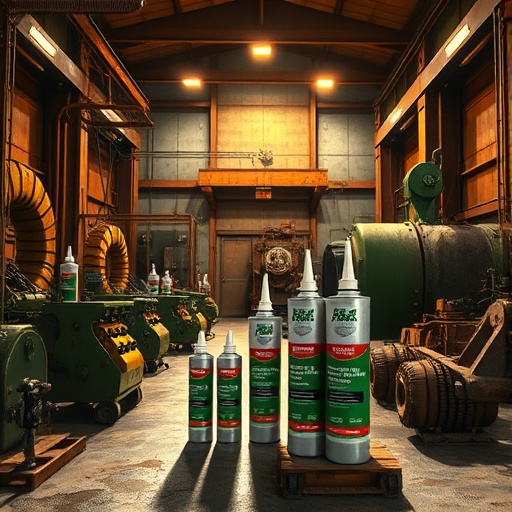
Choosing grease lubricants requires evaluating load, speed, temperature, and environmental exposure for each application. Base oil type, thickener chemistry, and additive package must align with the specific demands of mining or construction machinery. Cartridge convenience matters for field crews working far from supply depots. Compatibility checks prevent mixing problems that degrade performance when switching brands. Cost per service interval often outweighs upfront price when calculating total ownership. Operators review manufacturer data sheets alongside real-world feedback from similar operations. These factors guide decisions that keep equipment productive and maintenance predictable.
Comparison of Industrial Grade Greases
Industrial grade greases differ in consistency, water resistance, and load capacity. Lithium complex products generally outperform simple lithium in high-temperature wheel bearing service. Calcium sulfonate greases excel where corrosion from water or chemicals threatens equipment longevity. Comparison charts help fleet managers match products to duty cycles found in excavators versus crushers. Shear stability testing reveals which grease lubricants maintain thickness after repeated mechanical working. Price differences often reflect additive sophistication rather than base quality alone. Side-by-side trials on actual machinery provide the clearest performance data for final selection. Informed comparisons lead to better outcomes across mixed equipment fleets.
Brand Recommendations and Reviews
Brand recommendations come from field performance data rather than marketing claims alone. Reviews from mining operators frequently highlight greases that maintain film strength through long, dusty shifts. Construction crews praise products that pump easily in cold weather without sacrificing high-temperature stability. Top brands invest in research that delivers measurable reductions in bearing replacements over time. Users compare cartridge packaging and dispensing ease alongside technical specifications. Aggregated reviews reveal patterns in real-world durability that lab tests sometimes miss. Selecting proven brands reduces risk when equipment reliability directly affects project timelines and safety records.
See Also
- How Industrial Greases Reduce Friction and Enhance Longevity in High-Stress Environments
- Unlocking the Power of Heavy-Duty Industrial Greases for Optimal Machine Performance
- Exploring Innovative Technologies in Heavy-Duty Greases for Modern Machinery Applications
- Essential Guide to Choosing the Right Grease Lubricant for Your Heavy Equipment